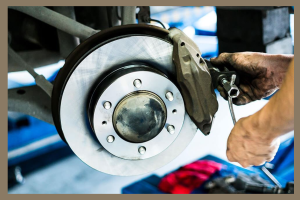


Your GMC brakes are very reliable, but to keep them in excellent condition, they require regular service. In time, parts can rust or wear, and this will affect the performance of your brakes. As your GMC dealer in North Platte, NE, we care about your safety. These are some signs you need to bring your GMC into us for a brake repair. Hard Pedal When you hit the brake pedal, you'll always feel resistance. The brake system is pressurized, and this causes resistance. If your brake pedal feels like you're doing leg presses, there's a problem. Your brake system has a brake booster installed. This component generates 10x normal human strength to provide the pressure needed for your brakes. The brake booster is vacuum-powered to produce this level of force. Unfortunately, if the booster is damaged, the vacuum may have been compromised. Without a vacuum, the booster won't work, and your pedal will become almost impossible to fully depress. If the pedal doesn't depress, your brakes will have less power. This increases the stopping distance of your car and can result in an accident. Soft Pedal A soft pedal depresses with almost no effort. While this might sound good, it's a sign that your braking system isn't working correctly. The pressure generated when you step on the pedal forces brake fluid into the brake hoses. A lack of resistance from the pedal shows that the pressure in your brake system is low. The lack of pressure could be caused by an air bubble in the hose or a lack of brake fluid. Your brake system is a closed one. This means a lack of brake fluid can only be due to a leak. Brake fluid can leak from the fluid reservoir, a damaged brake line, or a hole in one of the brake hoses. A fluid leak is serious, as a lack of fluid will prevent your brakes from working when you need them. An air bubble in the hose can block the hose, preventing brake fluid from moving through the system. Smoking Brakes Smoke billowing from your brakes when you apply them is something you don't want to see. The smoke can be caused by your brake pads overheating, or liquid dripping onto the hot brake pads and rotors. Neither situation is a good one, and it's important to have your brakes checked ASAP. Although your braking system is pressurized, if it overheats, your brakes won't work. Liquid dripping on the pads and rotors could come from damage to one of the axle seals. These seals are in place to keep your axles lubricated. If a seal fails, lubricant will drip onto the brakes and produce smoke. The pads themselves may be overheating due to continuous contact with the wheel rotors. The pads will get hotter due to friction, and the friction will generate smoke. If you experience any problems with your brakes, call our service department ASAP at Janssen Buick GMC.